Showing posts with label Drugs. Show all posts

Wednesday, January 11, 2017

Use and common side effects Diaglip tablets

Diaglip® is a popular brand name of the prescription only oral antidiabetic agent Glipizide. This medication was developed by Cipla pharmaceuticals, India. Glipizide belongs to the sulfonylurea drug family.

 Diaglip® is one of the more potent anti-diabetic agents in the sulfonylurea family. This medication reduces blood glucose in both diabetic and non-diabetic individuals.

Diaglip tablets


What your doctor should know before prescribing?

Your doctor should know your complete medical history before prescribing Diaglip®. 

He should know whether you have liver problems and a condition called acute porphyria. If you have these problems doctor will not prescribe this medication for you. 

You should tell whether you have LIVER problems


The doctor will not prescribe this medication to you if you are pregnant or breast feeding. If you have renal impairment the doctor will analyze risks and benefits before starting on Diaglip®.

This medication should be taken as advised by the doctor. Also this should be taken as whole with a full glass of water to minimize side effects.

Take with full glass of water


Over dose can result in serious reduction of blood glucose and you should seek immediate medical advice. You need to check your blood glucose regularly during therapy to avoid changes in blood glucose levels in your blood.

Regular blood glucose level monitoring is essential


One of the important things is to take your recommended diabetic diet and reduce weight if you are overweight. Taking the medication and not following dietary advice is one of the main problem physicians face with their patients.

Healthy diabetic diet should accompany this medication. You should not eat sugar and take medication to compensate.


Important side effects of Diaglip

Reduction of blood glucose level is the main side effect of this medication as well.
Knowing the effects of reduced blood glucose is important.
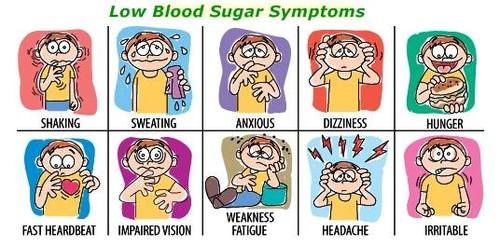
Courtesy : Healthline.com 


"If you get these symptoms then you should take glucose or sugar snack and seek emergency medical help"


They are sweating, feeling hungry, and feeling that you are going to die and feeling faint.

Others will notice sudden changed behavior, impaired judgment, and confusion in you.


Doctors usually start on 2.5mg – 5mg daily shortly before breakfast or lunch.


How this medication works?

Diabetes is caused by destruction of beta cells (insulin producing cells) in the pancreas as well as increased insulin resistance. This medication acts by stimulating secretion of insulin from the existing beta cells of the pancreas. Diaglip® does not reduce peripheral insulin resistance.

 Since diabetes is a progressive disease, destruction of beta cells continues and the number of healthy beta cells goes down. So doctors have to increase the dose over time. Ultimately, the number of healthy beta cells will become so low, that doctors may need to discontinue the medication and start insulin injections. 


Summary


Diaglip is an anti diabetic medication manufactured in India. When you take the medication it is important to remember effects of reduced sugar in the body. 

Sunday, June 21, 2015

Uses and side effects of Conape 2mg tablets


Conape® is a brand name of the generic drug Perindopril. It is a prescription only ACE inhibitor. This drug is commonly prescribed in hypertension, heart failure and heart attacks. Conape dilates arteries and reduces blood pressure by a complex mechanism.  It also reduces the workload of the heart. Reduced workload of the heart prevents future heart attacks. 

What are the common side effects?

Dry cough is the most troublesome side effect. Changing to a drug like Lorsatan (Corsaar®) (Angiotensine receptor blocker) can alleviate this side effect. Serum potassium levels can go up with this medication. So the doctor may check patient’s electrolyte levels in the blood before starting Conape.

Certain patients can get dizziness and low blood pressure. Gastro intestinal disturbances like nausea and vomiting are also common side effects.  This drug is a potent antihypertensive, so patient can get faintishness especially in the first few days of the treatment. Muscle cramps are common with this drug. It is usually caused by electrolyte imbalance.

What are the serious side effects?

 Very few patients can get an allergic reaction to this medication. Sometimes it can lead to an anaphylactic shock. This is characterized by wide spread hives, chest tightness, low blood pressure, shortness of breath and pallor. Patient should stop the medication and seek immediate medical help.

What are the uncommon side effects?

Chest pain, edema, flatulence, nervousness, depression, sleep problems, blurred vision, impotence and back pain are relatively uncommon side effects. Other less common side effects include reduced white cell counts, pancreatitis, cardiac rhythm abnormalities, headache and dizziness.

Few patients may get shortness of breath and muscle/joint pains with this medication. This medication is also known to cause upper respiratory tract infections in certain patients.

What the doctor should know before prescribing Conape?

Before starting this medication doctor should know patient’s complete medical history, including over the counter medication he/she is on. If the patient has following conditions then he/she must discuss with the doctor before taking Conape.

1.     Bilateral renal artery stenosis
2.     Heart disease called Aortic or Mitral valve stenosis
3.     Hypertrophic cardiomyopathy
4.     Liver diseases

What about pregnancy and breast feeding?

 If the patient is pregnant or nursing, doctor will not prescribe Conape. Taking Conape in a pregnancy can harm the unborn baby.

What are the things patient should know before taking Conape?


Do not take over the counter NSAID pain killers such as Diclofenac sodium, Brufen without consulting your doctor. This medication should be taken as a whole with full glass of water and it should not be crushed to minimize side effects. Conape can be taken with or without meals. This medication should also be taken strictly as instructed. Do not share this medication with anyone. Keep this medication out of reach of children.

Saturday, June 20, 2015

Uses and side effects of Qpril tablets


Qpril Tablets is a common brand name of the generic drug Quinapril. It is a prescription only medication. Qpril Tablets is an ACE inhibitor (Angiotensine Converting Enzyme Inhibitor). This drug widens the arteries and reduces blood pressure.

 This drug is prescribed in high blood pressure, heart failure and in the early stages of diabetes kidney damage.

 Before starting this medication, the doctor should know your complete medical history, including over the counter medication patient is on.  Combining this medication with NSAIDs can have problems.

 If the patient has kidney disease called bilateral renal artery stenosis, then the doctor will not prescribe Qpril Tablets. If patient has liver problems, doctor should know that as well. If a patient has a heart disease called Aortic or Mitral valve stenosis then the doctor may not prescribe this medication. Conditions like hypertrophic cardiomyopathy can cause problems with this drug as well. The doctor may check patient’s electrolyte levels in the blood before starting Qpril Tablets. Serum potassium levels can go up with this medication.

 This medication should be taken as a whole with full glass of water and it should not be crushed to minimize side effects. This medication can be taken with or without meals.

 If the patient is pregnant or nursing, doctor will not start Qpril Tablets. Taking Qpril Tablets in pregnancy can harm the unborn baby. This drug is not present in breast milk in significant amounts, but manufacturer advices to avoid during breast feeding.

 Common side effects of Qpril

Dry cough is the most troublesome side effect. Some patients can get dizziness and have low blood pressure. Gastro intestinal disturbances like nausea and vomiting are common side effects. This drug can sometimes alter plasma lipid levels.

This drug is a potent antihypertensive, so patient can get faintishness especially in the first few days of the treatment.

Less common side effects are reduced white cell counts, pancreatitis, cardiac rhythm abnormalities, headache and dizziness.

Few patients may get shortness of breath and muscle/joint pains with this medication. This medication is known to cause upper respiratory tract infections.

 Rare side effects of Qpril

Asthenia, chest pain, edema, flatulence, nervousness, depression, sleep problems, blurred vision, impotence and back pain are relatively uncommon side effects.

 Very few patients can get an allergic reaction to this medication. Sometimes it can lead to an anaphylactic shock. This is characterized by wide spread hives, low blood pressure, shortness of breath and pallor. Patient should seek immediate medical help if he/she gets this problem.


Wednesday, October 19, 2011

Usage and side effects of Emend

 Emend is a prescription only drug used to treat vomiting (antiemetic) associated with cancer chemotherapy and vomiting that results after surgery. Its generic name is Aprepitant. It belongs to a class called “substance p” antagonists. It acts by blocking neurokinin 1 receptor. it is contra indicated (should avoid) in breast feeding.

It is usually used with dexamethazone, and other antiemetics in preventing nausea and vomiting associated with cancer chemotherapy. Antiemetic drugs are usually used after identifying the cause for vomiting. Otherwise it can cause dangerous complications. So doctor will question you thoroughly before starting on emend.


Most common side effects of Emend


Usually patients get hiccups, burning sensation in stomach, and diarrhea. It sometimes causes constipation.  Headache and dizziness are complained commonly.

Less common side effects Emend


It can rarely cause weight changes (gain or loss).

Dry mouth is reported with some patients receiving the drug. Some patients complain flatulence.  Duodenal ulcers are reported very rarely. Doctors sometimes detect reduced heart rate (bradycardia) with few patients who are taking the drug.  Dry cough is also a rare side effect.

Sometimes patients complain abnormal dreams with the drug. Few patients can be disoriented with the drug, especially elderly patients. Sometimes patients mood can be elevated abnormally (euphoria) by the drug. Increased anxiety is also reported with the drug. Diabetic patients should be careful with the drug, because it can increase the blood sugar levels. So the doctor might need to increase the anti diabetic medication.

Passing increased amount of urine and thirst are another rare side effect. Some patients also complain painful urination with the drug.  Rarely blood hemoglobin levels decrease with the drug (anemia). Muscle pain is also another side effect. Sore throat can occur with some patients taking emend. Some patients report sweating and itchiness. Acne is another rare side effect affecting young individuals.  Photo sensitivity and flushing can occur with some patients. Decreased serum sodium levels can be a problem. This can leads to unexplained fits in some patients who are receiving cancer chemotherapy.

Drug interactions
It can possibly reduce anti coagulant effects of warfarin. Carbamazepine reduces emend plasma concentration. It also reduces the serum concentration of tolbutamide, and increases plasma concentration of dexamethazone.

Drug should not be used in patients with hepatic impairment.

Pregnancy

No information is available at the moment about side effects to the fetus. Can use if the benefit of taking the drug outweighs the risk (doctor has to decide).

Sources

British National Formulary 58th edition